
Government
Election 2026: City Council races could shift Berkeley’s political direction
By Katherine Langford
Advertisement · Why this ad?
Marcus manages the day-to-day editorial workflow across all brands, coordinating coverage assignments and ensuring editorial standards are met. He previously served as city editor at the Pioneer Press and holds a degree in Political Science from Carleton College.
More from Marcus →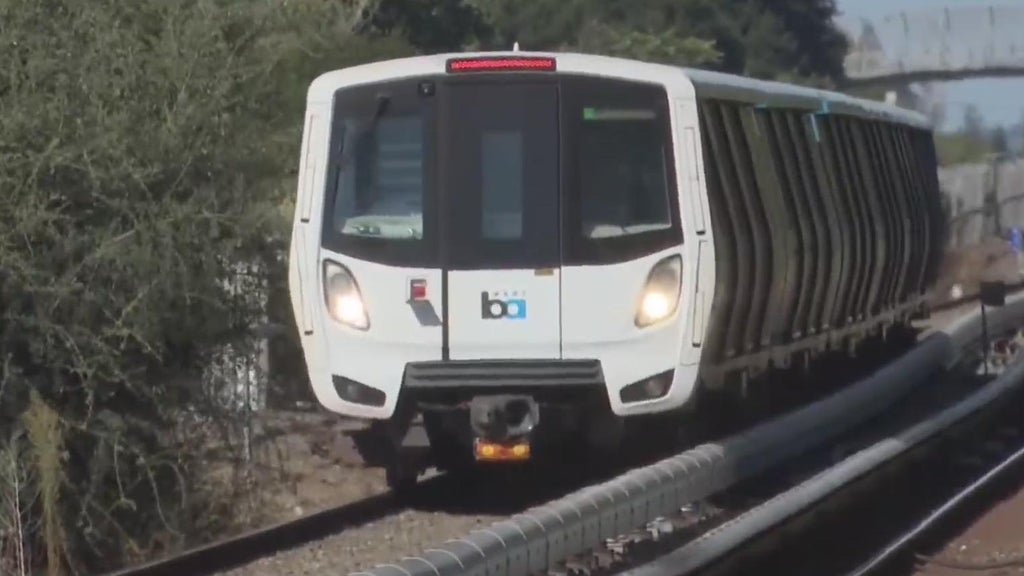
As the sun sets over the Bay Area, commuters rush to catch their last trains, unaware that their daily transit could soon be drastically altered. In a region where public transportation is a lifeline for many, the stakes are high as voters across five counties consider the Regional Transit Measure (RTM) on the ballot.
The RTM proposes a 0.5% sales tax in Alameda, Contra Costa, San Mateo, and Santa Clara counties, aimed at funding transit agencies facing severe budget deficits. This measure comes at a critical time as federal relief funding from the COVID-19 pandemic is set to expire. If passed, the measure is projected to generate approximately $1 billion annually for transit systems, including BART, Muni, and Caltrain.
In San Francisco, voters will see an additional 1% tax specifically to support Muni, the city's public transit system. This proposal also coincides with Proposition H, which seeks to levy a parcel tax on single-family homes, with a projected annual revenue of $150 million to bolster Muni through 2042.
The urgency of the RTM is underscored by alarming projections from BART officials, who anticipate structural deficits of $350 to $400 million per year starting in Fiscal Year 2027. The agency has already prepared an “Alternative Service Plan” that could close up to 15 stations and cut service hours if the measure fails.
Supporters of Measure RTM argue that without this funding, the Bay Area will face significant reductions in transit services, potentially impacting thousands of commuters. Prominent figures such as Democratic Reps. Nancy Pelosi and Ro Khanna, along with local officials like San Francisco Mayor Danie Lurie, have rallied behind the measure, emphasizing its necessity for maintaining vital transit services.
However, opposition to the measure is equally vocal. Critics argue that Bay Area transit agencies already receive substantial funding, totaling around $6 billion annually from various sources, including taxes and government grants. Former BART Board Director Debora Allen and several taxpayer associations have voiced concerns about the additional financial burden on residents.
In San Francisco, if the RTM passes, the sales tax rate would rise to 9.625%, while San Jose would see a rate of 10.5%, and Oakland's would climb to 11.25%. These figures have led many to question the necessity and fairness of the proposed tax increases.
The implications of Measure RTM extend beyond just numbers; they resonate deeply within families who rely on public transit. For many, the ability to access work, school, and essential services hinges on a reliable transit system. The potential cuts to services could disproportionately affect low-income families and those without alternative transportation options.
Local resident Maria Gonzalez, a mother of two, shared her concerns: "If they cut our bus routes, I won’t be able to get my kids to school or to their after-school activities. It’s not just about convenience; it’s about our daily lives."
For families like the Gonzalezes, the stakes are personal. The outcome of this measure could redefine their access to opportunities and quality of life in the Bay Area.
Beyond Maria, many residents have come forward to express their views on this critical issue. In a recent community meeting in Oakland, a group of transit advocates shared their stories, highlighting how essential public transit is to their livelihoods. One participant, James Lee, who commutes from East Oakland to San Francisco for work, stated, "Without reliable transit, I can't make it to my job. Every day is a gamble. If they cut service, I might lose my job. That's not just a statistic; that's my life."
These voices are echoed across the Bay Area, where community organizations are mobilizing to ensure that residents understand the implications of Measure RTM. Groups like the Bay Area Transit Coalition have been hosting workshops to educate voters on how the measure could impact their daily lives.
The proposed sales tax increase is not just a matter of funding; it represents a broader conversation about fiscal responsibility and the sustainability of public services. Proponents argue that the transit systems are at a breaking point, and without additional funds, the quality of service will deteriorate, leading to longer wait times and overcrowded vehicles.
On the other hand, opponents contend that the existing funds should be managed more efficiently before imposing new taxes on residents. Critics like former state Sen. Steve Glazer have called for better accountability in how transit agencies allocate their budgets. "We need to ensure that the money we already have is being used effectively before we ask taxpayers for more," he stated.
The debate surrounding Measure RTM highlights a critical juncture for the Bay Area. As residents weigh the potential benefits of improved transit against the burden of higher taxes, the outcome will shape the region's public transportation landscape for years to come.
Should Measure RTM pass, it would not only provide immediate financial relief but could also set a precedent for future funding initiatives. Transit advocates argue that a successful RTM could pave the way for more comprehensive transit solutions, including expanded service hours, improved infrastructure, and the introduction of environmentally-friendly transit options. This could significantly enhance the quality of life for residents across the Bay Area.
Conversely, if the measure fails, the consequences could be dire. Public transit agencies may be forced to implement drastic cuts, leading to longer commute times, increased traffic congestion, and a greater reliance on personal vehicles, which could exacerbate environmental issues in the region. The ripple effects of such decisions could be felt not just in transportation but also in the local economy, as businesses that rely on foot traffic from transit users may suffer.
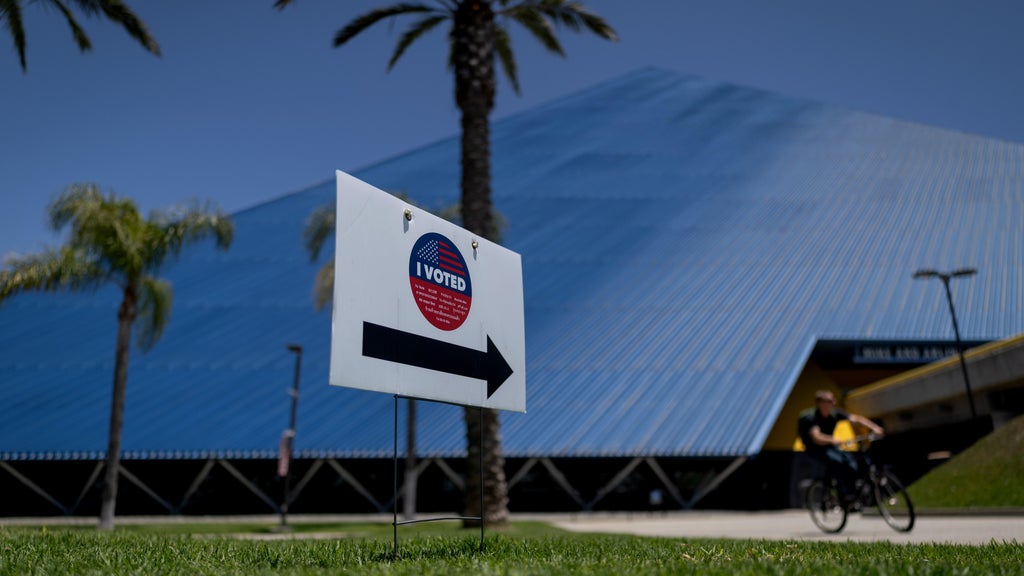
As election day approaches, the conversation surrounding Measure RTM will only intensify. Voters in Alameda, Contra Costa, San Mateo, and Santa Clara counties will have to decide whether the tax increases are justified to preserve and enhance their public transit systems.
Local advocacy groups are ramping up their efforts to inform residents about the implications of the measure. Campaigns for and against the RTM are mobilizing community members to voice their opinions and cast their votes. The outcome will not only affect transit funding but will also set a precedent for future funding measures in the region.
With transit agencies facing unprecedented challenges, the decision on Measure RTM will be pivotal. As families and commuters prepare to cast their ballots, the question remains: can the Bay Area invest in a sustainable future for its public transit systems while balancing the financial concerns of its residents? The stakes are high, and the implications will be felt for generations to come.
By Katherine Langford

By Katherine Langford
By Marcus Chen
By Katherine Langford